
Dedicated to Sustainability
Villiera's dedication to sustainability is holistic, encompassing both environmental conservation and social responsibility.

VINEYARDS
A Living Ecosystem
Our 180 hectares of vineyards are meticulously managed by Cobus van Schalkwyk, assisted by vineyard managers Christie Franse and Wayne Daniels (with Simon Grier in consultation). We maintain a conservative yield of 8 tons per hectare to ensure exceptional fruit quality for our wines, which are produced from an even split of 50% red and 50% white varietals. The final wine mix is 40% Cap Classique, 30% red, and 30% white.
Longevity and productivity are key. Our pruning team has adopted new techniques, taught by Italian experts Simonit and Sirch, to significantly improve the uniformity, quality, and lifespan of our vines. We aim to increase the productive life of our vineyards to over 50 years by focusing on careful pruning and stress management. We are proud members of the Old Vine Project, producing four wines from Certified Heritage Old Vine vineyards.
At Villiera, our philosophy is to meet today's needs without compromising the future. This guides our comprehensive environmental strategy:
WATER
Water Conservation
Recognizing water as a scarce resource, we implement strategic conservation measures. Aside from 40 hectares of dry land vineyard, the remaining 130 hectares are managed using a sustainable drip irrigation system.
In 2017, we installed a rainwater harvesting system that diverts all roof water through filters into our irrigation dams. In a normal year, this provides six million litres of quality rainwater, supplemented by drainage water and runoff from the property.


SOIL CONSERVATION
Low-Intervention Farming
At Villiera, we believe that great wine begins with a living, breathing floor. Our approach to low-intervention farming prioritizes the natural rhythm of the land and the preservation of its inhabitants:
- Biodiversity & Wildlife Havens: Beyond the vineyards, we allow fallow land to return to its wild state. These protected corridors provide a vital sanctuary for local wildlife, including steenbok, Cape foxes, and the threatened Blue Crane, South Africa’s national bird.
- A Living Ecosystem: We encourage the growth of indigenous grasses and natural ground cover. This creates a self-sustaining environment that nurtures diverse microbial life and naturally maintains the health of our vines.
- Carbon Preservation: By practicing minimal soil disturbance, we keep the soil’s structure intact. This ensures that carbon remains sequestered in the ground, naturally enriching the earth while significantly reducing our carbon footprint.
- Vibrant Terroir: Our focus on non-cultivation prevents soil compaction, allowing the roots to breathe and draw the true, unfiltered character of the Stellenbosch terroir into every cluster of grapes.
CELLAR
Innovation & Efficiency
We utilise natural winemaking principles, including spontaneous fermentation for all still wines. The introduction of Amphorae instead of, or in addition to, oak in some cases further showcases our innovative approach.
The cellar is IPW and IFS certified, HACCP accredited and all Villiera wines are vegan friendly.
The cellar has expanded almost annually since the Grier family purchased the farm in 1983. Today, the functional and spacious facility can handle 2,800 tons of grapes, producing our red, white, and sparkling wines with equipment that allows for the maximisation of quality potential.


WILDLIFE
Environmental Responsibility
Environmentally, we have made a tangible contribution to ecosystem restoration by creating the Villiera Wildlife Sanctuary, a 220-hectare area established in 2009 with two neighbours. This sanctuary includes 12 dams and marsh areas, attracting rich birdlife and hosting reintroduced mammals like Kudu, Giraffe, and Zebra. Our Indigenous Tree Project rehabilitates fallow land and mitigates our carbon footprint by planting over 100,000 indigenous trees, many grown by our staff in recycled containers, which supports local entrepreneurship. This community involvement extends to our Green Fencing initiative, where staff grow Acacia trees to create living, carbon-sucking boundary fences.
CONSERVE
Renewable Energy
Our commitment to reducing our carbon footprint extends to our energy source. We have been a leader in renewable energy in the winelands since 2010.
Significant Investment
We took a "leap of faith" with our first installation in 2010, which was expanded in 2017. In July 2022, we doubled our solar capacity to a total installation size of 2,424 m², capable of generating 340kW of power.
Sustainable Energy
We now produce a large portion of our own energy requirements from this sustainable source. Surplus power can be fed into the National Grid, allowing us to recover power during shortfalls.
Further Efficiency
The large storeroom and cellar also receive their lighting requirements through solar domes to further reduce our reliance on carbon-based energy production, making a critical positive impact on our carbon footprint.
To gain more insight into these environmental practices, we invite you to view our Back Label Stories.

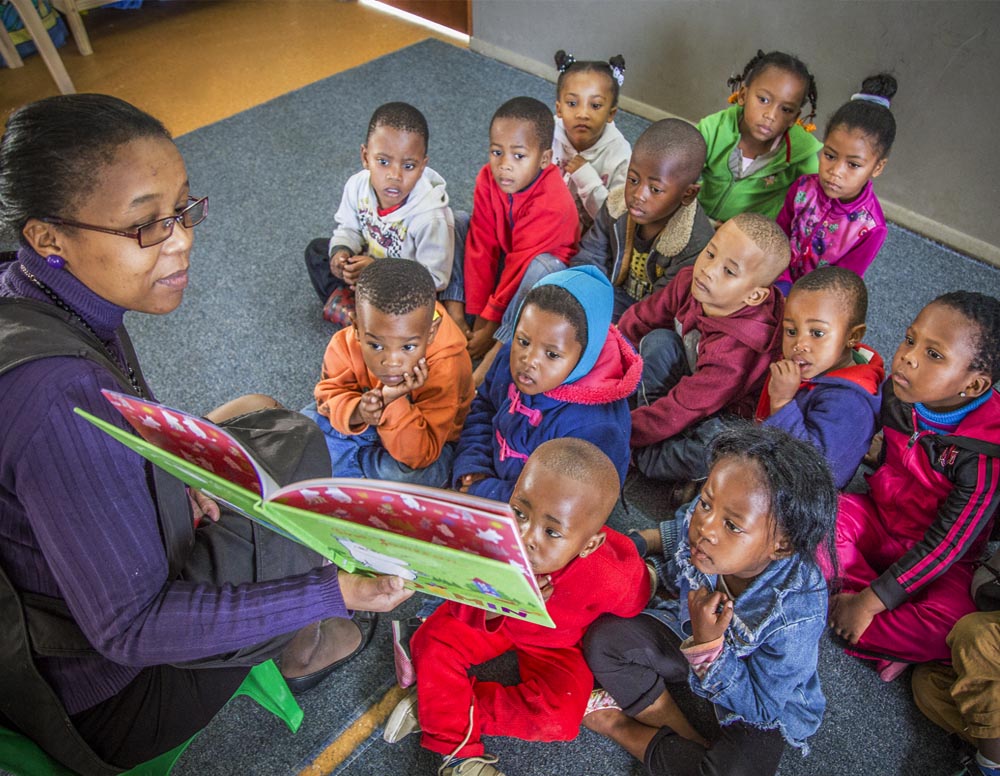
SOCIAL
Community Upliftment
Socially, Villiera's commitment is a core philosophy, earning us WIETA and BBBEE accreditation. We actively support farm workers and the local community through the Pebbles Project, which operates the Villiera Early Childhood Development (ECD) Centre and a safe, supervised After-School Club for the children of farm workers, alongside the Owethu Clinic, focusing on education, health, and community well-being.